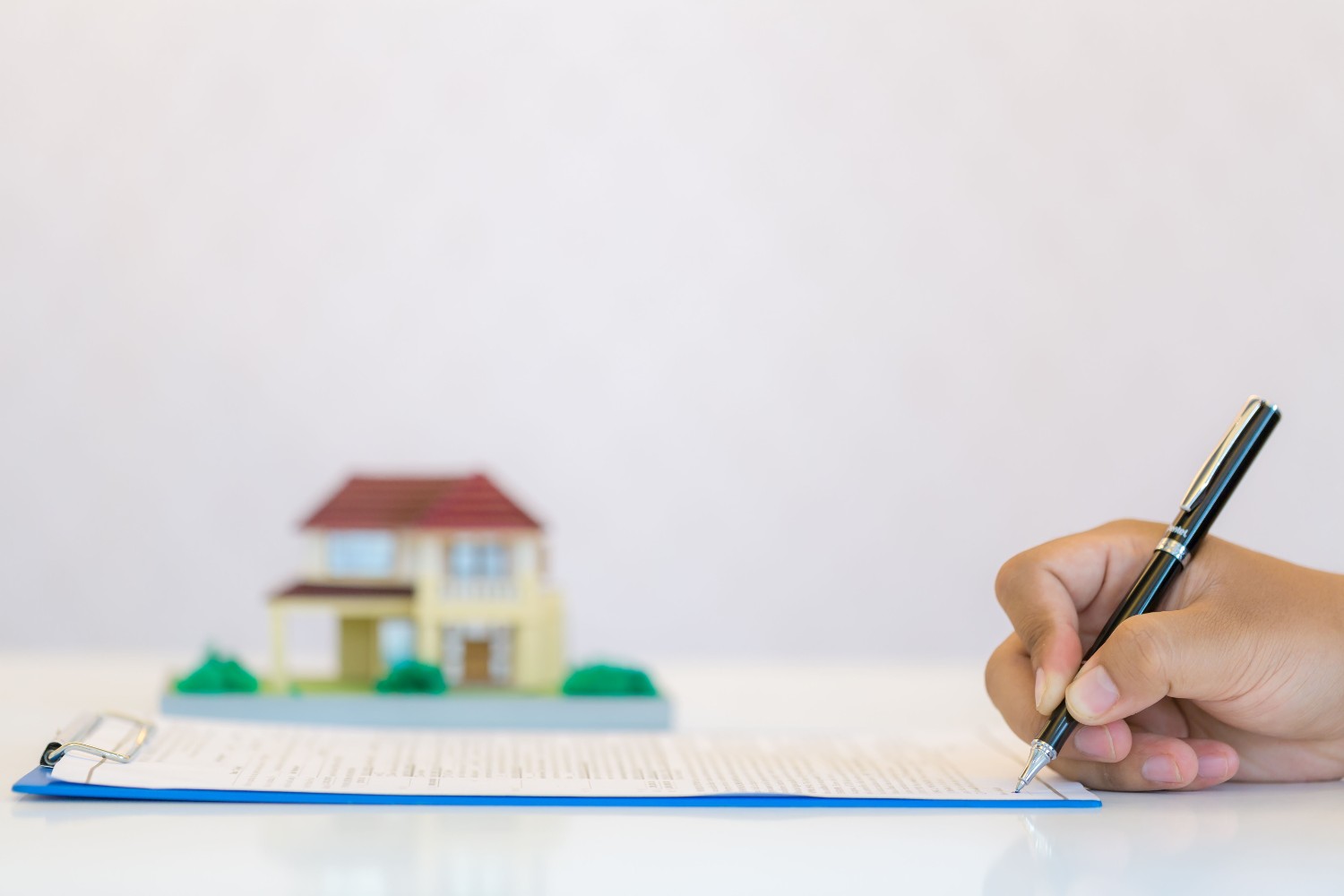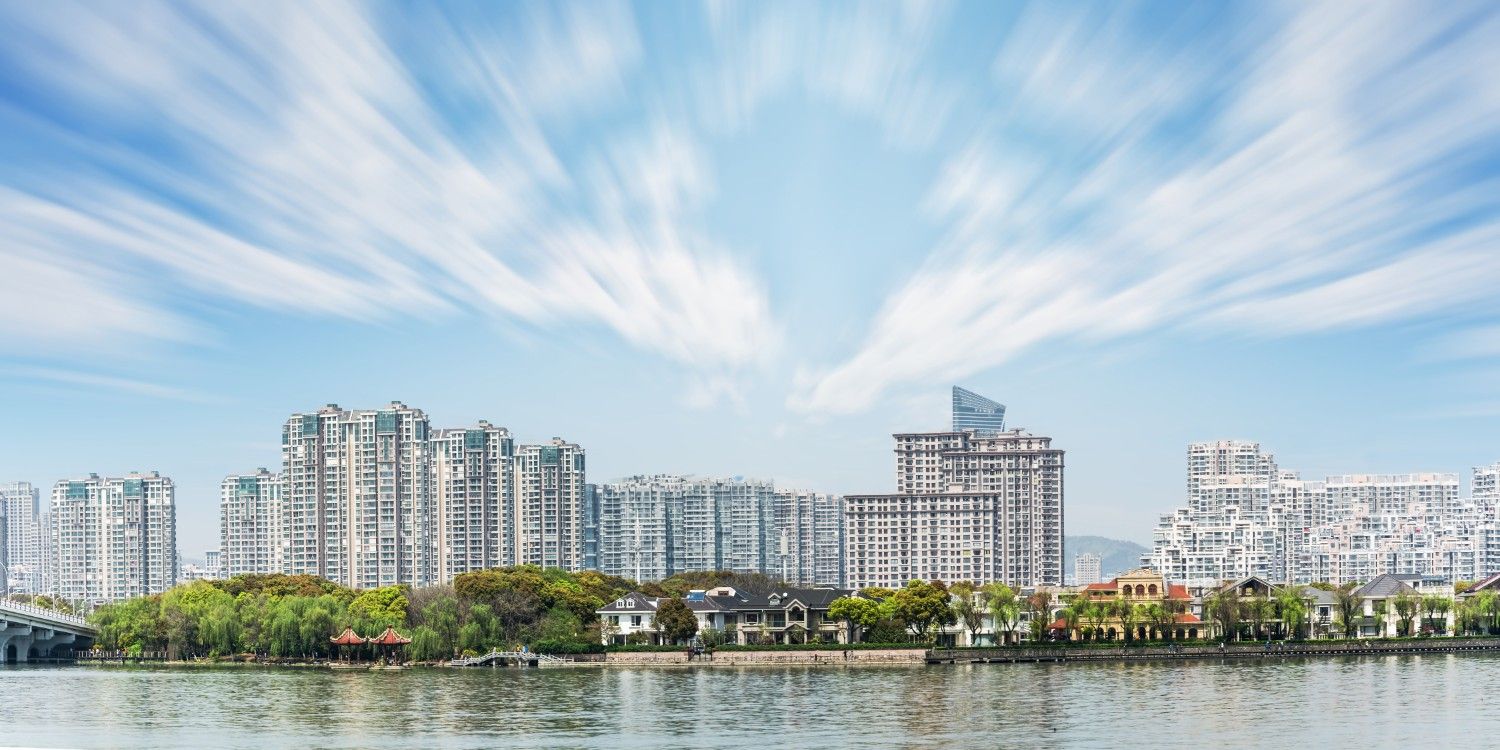
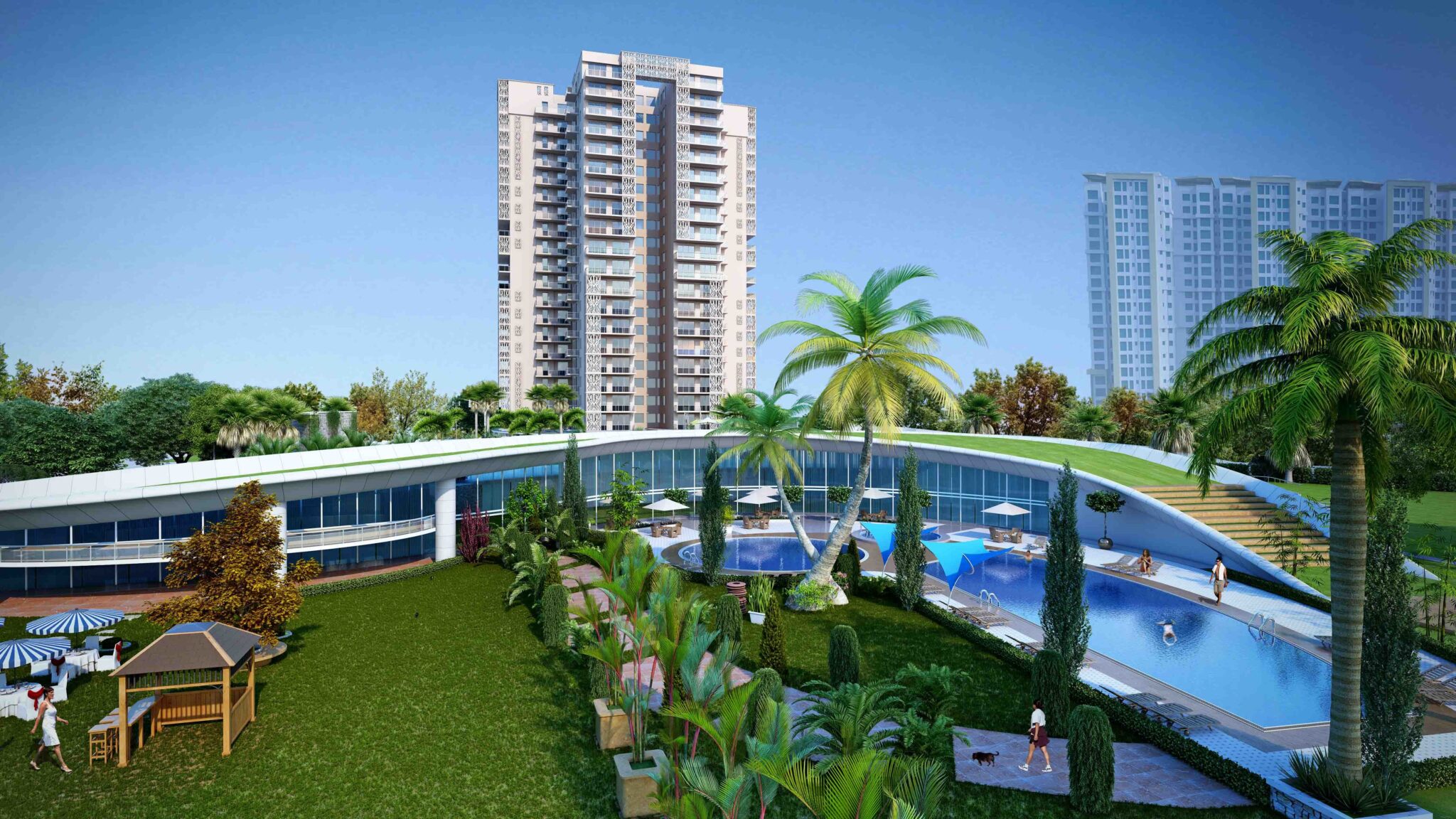
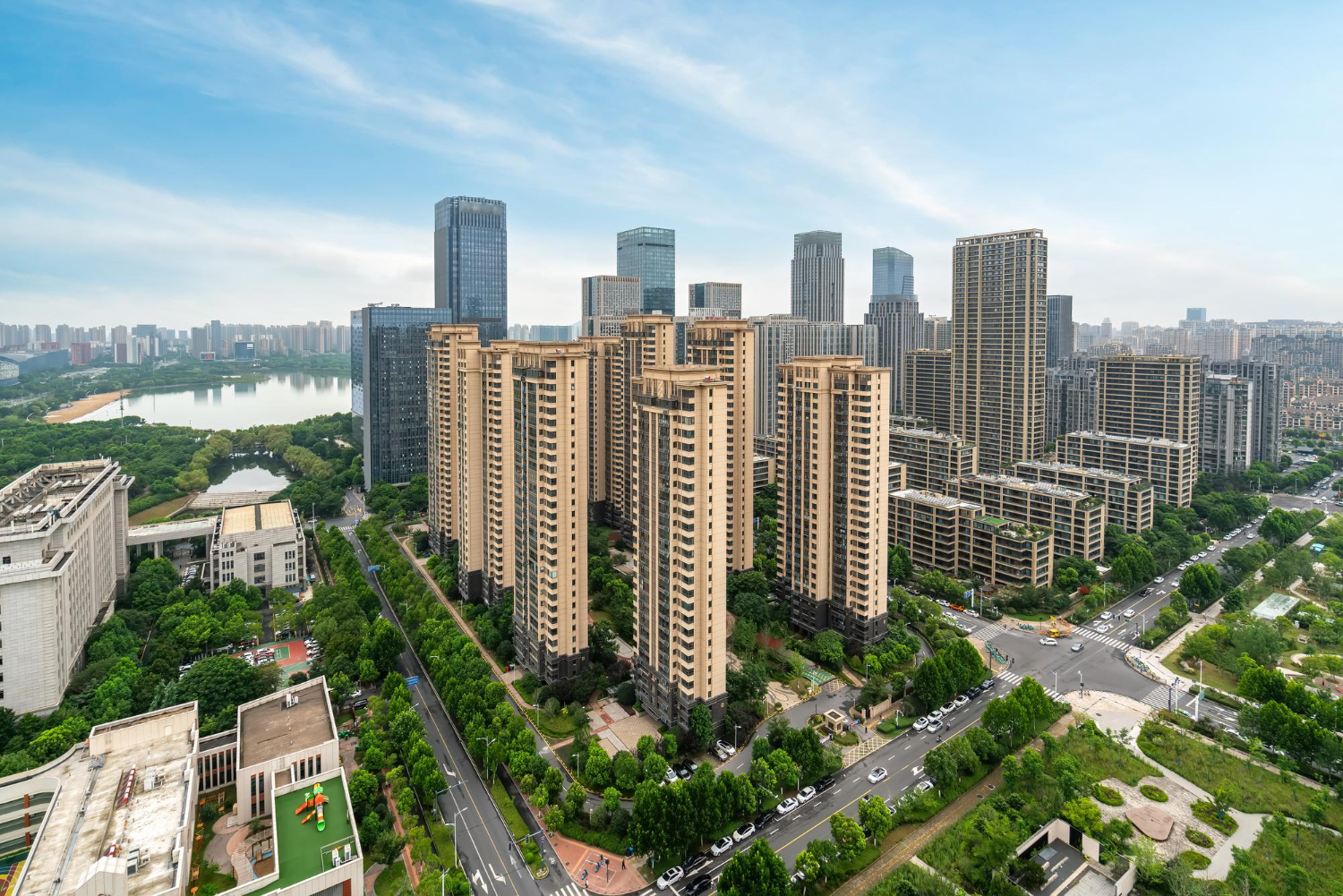
The real estate landscape has undergone a radical transformation over the last few years. We have moved past the era of "build it and they will come." In 2026, the industry is defined by a shift toward human-centric design, radical sustainability, and integrated technology. As developers, the focus has pivoted from merely constructing vertical square footage to orchestrating entire ecosystems. Whether it’s a residential complex or a commercial hub, the goal is now to create "living assets" that evolve with their inhabitants.
- The Rise of the "15-Minute Micro-City"
Urban planning has officially embraced the decentralized model. Modern developers are no longer looking for isolated plots; they are looking for opportunities to build integrated neighborhoods.
The core philosophy of 2026 is the 15-minute lifestyle: the idea that work, wellness, groceries, and green space should all be accessible within a short walk or bike ride. This has led to a surge in:
- True Mixed-Use Developments: Residential towers that sit atop "maker spaces," communal kitchens, and boutique retail.
- Adaptive Reuse: Converting aging office blocks into vibrant, multi-generational living spaces rather than tearing them down.
- Sustainability: Beyond the "Green" Label
In 2026, a "Green Rating" is no longer a marketing luxury—it is a financial necessity. With stricter environmental regulations and higher energy costs, developers are focusing on Net-Zero construction.
|
Feature |
2020 Standard |
2026 Innovation |
|
Energy |
Basic Solar Panels |
Integrated Photovoltaic Glass (Windows that generate power) |
|
Materials |
Standard Concrete |
Carbon-Negative Concrete & Cross-Laminated Timber (CLT) |
|
Water |
Simple Filtration |
Closed-Loop Greywater Recycling Systems |
|
Waste |
Manual Sorting |
AI-Driven Pneumatic Waste Collection |
- The "Phygital" Residential Experience
The line between physical space and digital convenience has blurred. We call this "Phygital" development. Today’s residents expect their homes to be as smart as their phones, but without the complexity.
Modern developments are now being built with a Digital Backbone that supports:
- Dynamic Access Control: Using biometric or encrypted mobile keys for seamless movement from the street to the front door.
- Automated Energy Management: Units that learn a resident's schedule to optimize heating and cooling, significantly reducing utility bills.
- On-Demand Amenities: Booking rooftop yoga spots, EV charging stations, or shared workspaces through a single unified interface.
- Wellness as the New Luxury
If the 2010s were about "granite countertops and stainless steel," 2026 is about "Air, Light, and Sound." Wellness-certified buildings are seeing the highest demand and retention rates.
Developers are now prioritizing:
- Biophilic Design: Integrating internal forests, living walls, and natural light corridors to reduce stress and improve air quality.
- Circadian Lighting: Smart lighting systems in common areas that mimic the natural path of the sun to help regulate sleep patterns.
- Acoustic Engineering: Advanced soundproofing that treats "quiet" as a premium amenity in a noisy world.
- The Investment Shift: Fractional and Flexible
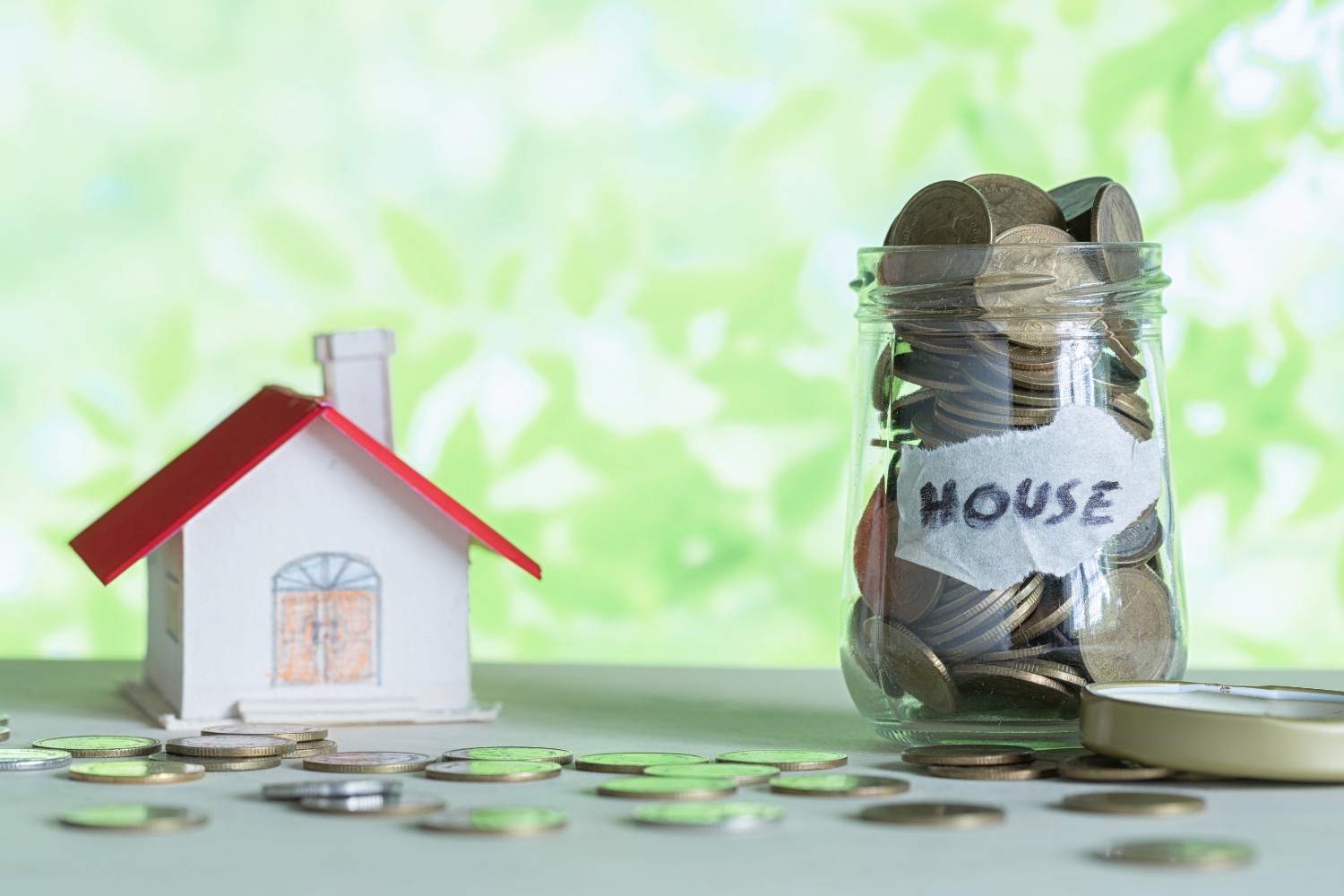
The way people "own" real estate is also changing. Developers are increasingly designing spaces that accommodate flexible ownership models.
From co-living suites designed for digital nomads to commercial spaces that can be reconfigured in 48 hours, flexibility is the ultimate hedge against market volatility. We are seeing a move toward Real Estate as a Service (REaaS), where the developer remains an active partner in the community's long-term success rather than exiting as soon as the last unit is sold.
Key Insight: In 2026, the most successful developers aren't just selling bricks and mortar; they are selling time, health, and community.
The Path Forward
The developers who will dominate the next decade are those who view a building not as a static object, but as a platform for human potential. By combining sustainable tech with thoughtful, wellness-driven design, we aren't just changing the skyline—we’re changing how people experience life.
The Blueprint for a New Era
Ultimately, the role of the modern developer has transcended the traditional boundaries of construction. We are no longer just builders of structures; we are architects of experience. In an era where the world moves faster than ever, the physical spaces we inhabit must provide more than just shelter—they must offer a sense of belonging, a commitment to health, and a bridge to a sustainable future.
The successful projects of 2026 are those that recognize that a building is a living, breathing entity. By integrating cutting-edge green technology with deeply human-centric design, we are creating environments that don't just sit on the land but actively contribute to the well-being of the people within them and the planet at large.
As we look toward the next decade, the measure of a developer’s success will not be found in the height of their towers, but in the strength of the communities they foster. The future of real estate isn't just about changing the skyline—it’s about elevating the way we live, work, and connect every single day.
.jpg)
.jpeg)






.jpg)
.jpg)
.jpg)
.jpg)
.jpg)

.jpg)

.jpg)
.jpg)

.jpg)
.jpg)
.jpg)
.jpg)


.jpg)



.jpeg)
.jpg)


.jpg)
.jpg)
.jpg)
.jpg)