.jpg)
Introduction: Why is Indian Real Estate Now a Center of Attraction?
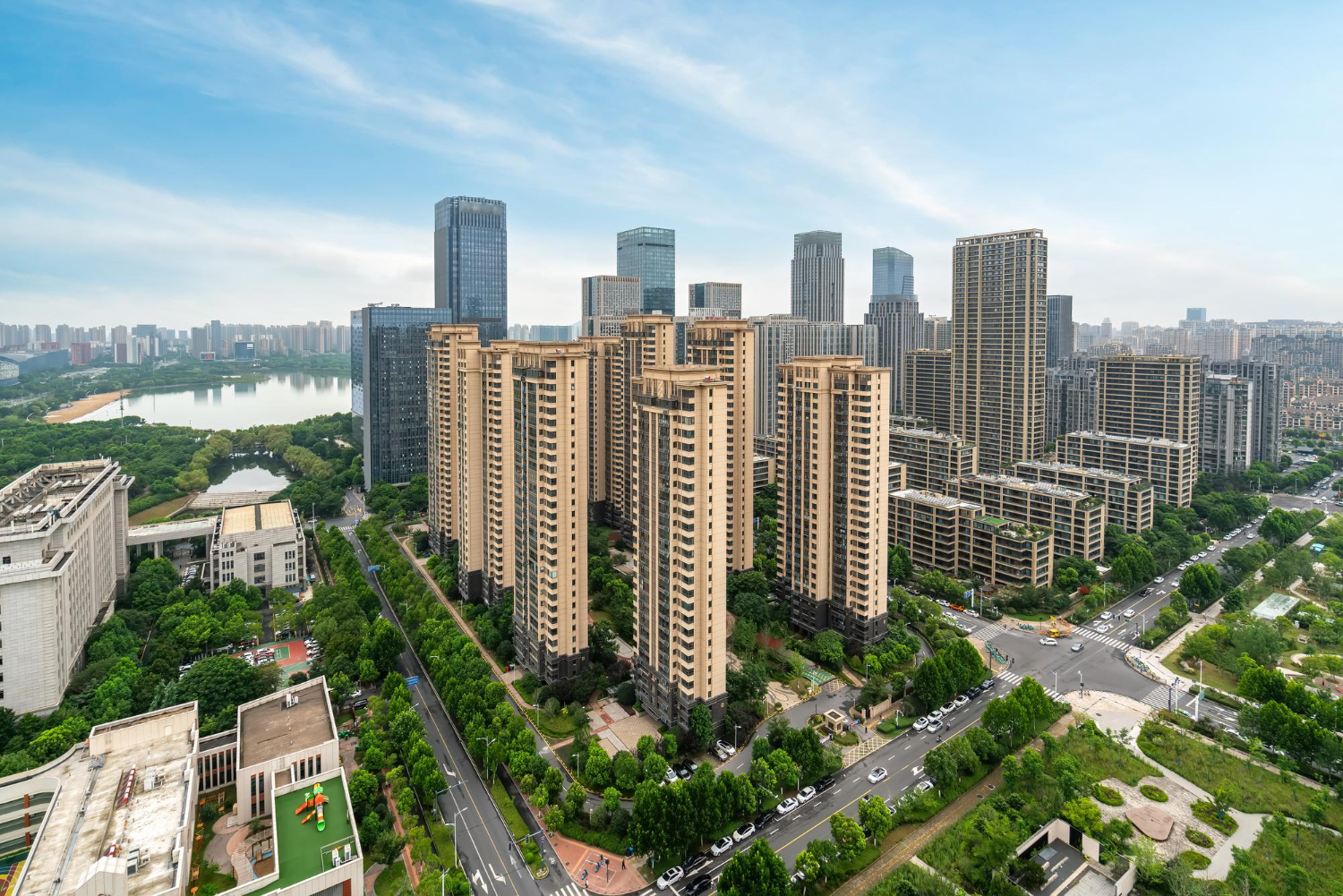
The Indian real estate market is currently witnessing unprecedented growth. As India’s economy rapidly advances, the real estate sector remains one of its key driving forces. The market size is forecasted to reach $1 trillion by 2030, making it a highly attractive destination for global investors. Four key pillars ensure the stability and rapid expansion of this sector: accelerating urbanisation, the growing young workforce (Demographic Dividend), the rising purchasing power of the middle class, and supportive government policies. In the post-COVID era, the inclination towards homeownership and property investment has increased, with demand driven particularly by technology and infrastructure propelling the sector to new heights.
Key Trends Driving the Indian Real Estate Market
The Indian real estate sector is currently influenced by several robust trends that are defining the nature of investments.
- Surge in Luxury Housing Demand
Demand for luxury and premium housing has been remarkably high in recent years. The sale of flats/apartments priced at ₹1.5 crore and above is growing rapidly. High-Net-Worth Individuals (HNIs) and Non-Resident Indians (NRIs) are now willing to pay a premium for modern lifestyles, world-class amenities, and larger homes. While this surge might result in a slightly lower overall volume of sales, the total sales value has significantly increased, bringing stability to the market.
- Strong Commercial Real Estate Comeback
Commercial real estate, especially Grade-A office spaces, has shown a strong rebound. The expansion of the Gig Workforce, Global Capability Centers (GCCs), and Information Technology (IT) companies has led to an increase in the leasing of office spaces. The concepts of flexible office spaces and co-working spaces are also gaining popularity. Furthermore, institutional interest in alternative assets like Data Centers and Logistics warehousing has grown significantly.
- Impact of Improved Infrastructure
The Central and State Governments' emphasis on infrastructure development is reshaping the real estate market. New metro routes, expressways, and airport expansions are broadening city limits, leading to the creation of new residential and commercial hubs in well-connected peripheral areas. This infrastructure-led development directly impacts property value appreciation and opens up new investment avenues.
- A New Cycle of Non-Resident Indian (NRI) Investment
A major shift is being observed in investments made by Non-Resident Indians. They no longer view property solely as a speculative or short-term investment, but rather as a lifestyle-driven investment for long-term wealth creation, retirement planning, and family use. The stability of the Indian economy and improved project delivery timelines have significantly boosted their confidence.
Future Investment Opportunities in Real Estate
Indian real estate is creating various attractive opportunities for investors in the future:
- Grade-A Logistics and Warehousing: Driven by e-commerce and the "Make in India" initiative, there is a growing demand for state-of-the-art warehousing and logistics facilities.
- Fractional Ownership: Through Real Estate Investment Trusts (REITs) and fractional platforms, small investors are also getting the opportunity to invest in premium commercial real estate, which is introducing greater liquidity into the sector.
- Tech-Enabled Real Estate (PropTech): Developers are providing a more transparent and enhanced experience to customers by using technological solutions (e.g., smart homes, digital transactions, virtual tours).
- Green Buildings: Due to the increasing focus on sustainability and eco-friendliness, projects with "Green Building" certification are generating special interest among investors.
Regulatory Framework and Market Stability
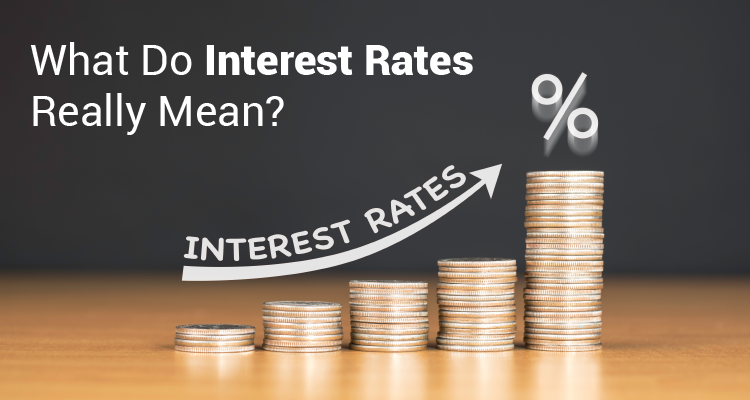
The Real Estate (Regulation and Development) Act, or RERA, launched in 2016, has fundamentally transformed the sector. RERA has increased transparency, accountability, and the trend of timely project completion among developers, which has helped build trust among both buyers and investors. Alongside this, the relative stability of interest rates on home loans and the growth in average income despite inflation have strengthened housing affordability.
Conclusion
The Indian real estate sector is undergoing a structural change, driven by premium demand, technological advancements, and regulatory transparency. It has established itself not just as a necessity but as a robust Asset Class, capable of delivering stable returns with less volatility compared to equity and other investments. The growing economy and the government's unwavering focus on infrastructure development ensure a bright future for this sector. For savvy investors and interested buyers, Indian real estate presents a strong investment opportunity in 2023-24 and beyond.

.jpg)

.jpeg)









.jpg)


.jpg)
.jpg)
.jpg)


.jpg)

.jpg)

.jpg)

.jpg)

.jpg)
.jpg)

.jpg)


.jpg)



.jpeg)

.jpg)










.jpg)

.jpg)

.jpg)

.jpg)