.jpg)
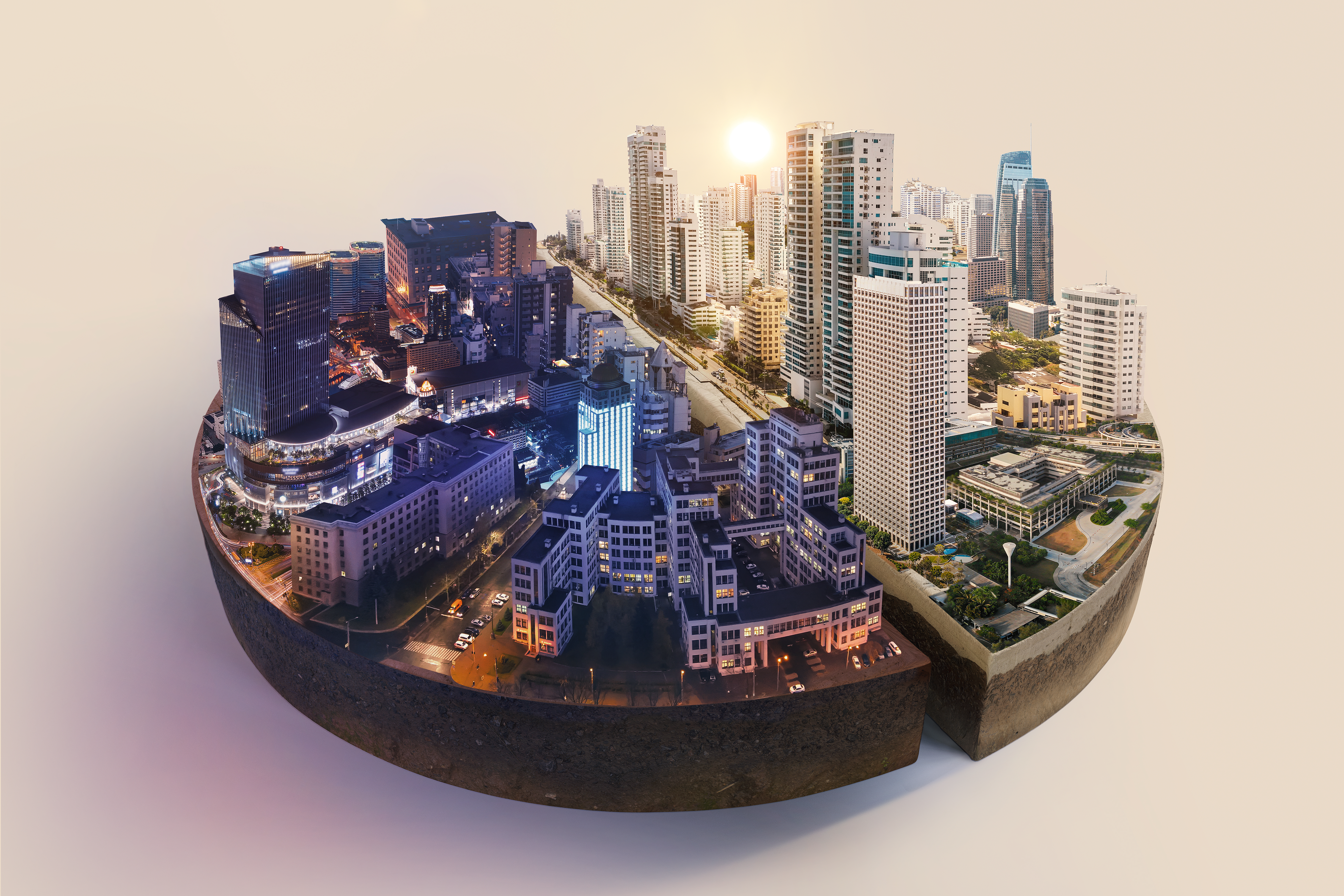
The real estate India market continues to evolve as one of the most dynamic sectors in the country’s economy. From residential apartments and plotted developments to commercial hubs and mixed-use projects, the industry plays a vital role in economic growth, employment generation, and infrastructure development. With rapid urbanization, digital transformation, and changing lifestyle preferences, the Indian real estate landscape is witnessing significant shifts.
In this blog, we will explore the latest trends, growth drivers, challenges, and investment opportunities shaping the real estate India market in 2026.
The Growth Story of Real Estate India
Over the past decade, real estate India has transformed from an unorganized and opaque system to a more structured and transparent industry. Regulatory reforms, improved financing options, and increased buyer awareness have strengthened market confidence.
The demand for housing remains strong due to:
- Rising population and urban migration
- Growing middle-class income
- Nuclear family culture
- Demand for better lifestyle amenities
Additionally, infrastructure development such as highways, metro connectivity, and smart city projects has fueled property demand across emerging urban corridors.
Key Segments of Real Estate India
- Residential Real Estate
Residential property remains the backbone of real estate India. Homebuyers today look for more than just four walls; they seek comfort, security, and lifestyle features. Modern housing projects often include:
- Gated communities
- Green spaces
- Clubhouses and fitness centres
- Smart home features
Affordable housing continues to attract first-time buyers, while premium and luxury segments are also growing due to rising disposable income.
- Commercial Real Estate
Commercial spaces such as office buildings, retail outlets, and co-working hubs are expanding rapidly. With the growth of startups, IT services, and e-commerce, demand for flexible office spaces is increasing.
Hybrid work models have reshaped office design trends. Businesses now prefer:
- Energy-efficient buildings
- Flexible layouts
- Tech-enabled infrastructure
Retail real estate is also evolving, with experiential shopping and integrated entertainment zones becoming more popular.
- Industrial and Logistics
The logistics and warehousing segment is one of the fastest-growing areas within real estate India. Growth in online shopping, manufacturing, and supply chain modernization has boosted demand for large, organized warehouses and industrial parks.
Strategically located storage facilities near transport hubs are attracting strong investor interest.
Emerging Trends in Real Estate India
- Smart and Sustainable Development
Sustainability is no longer optional; it is a necessity. Developers are increasingly incorporating eco-friendly materials, rainwater harvesting systems, solar panels, and energy-efficient designs.
Green buildings not only reduce environmental impact but also lower maintenance costs and enhance property value.
- Technology Integration
Digital transformation is revolutionizing the way people buy and sell property. Virtual tours, online documentation, AI-based property recommendations, and digital payments have made transactions faster and more transparent.
PropTech innovations are improving customer experience and simplifying property management.
- Rise of Co-Living and Co-Working
Young professionals and students prefer flexible and affordable living options. Co-living spaces offer shared amenities, community living, and cost savings. Similarly, co-working spaces provide flexible work environments for freelancers and startups.
This shift reflects changing lifestyle priorities and mobility trends.
Why Invest in Real Estate India?
Real estate remains one of the most trusted investment avenues. Here are some reasons why investors continue to show confidence:
- Capital Appreciation: Property values tend to increase over time, especially in developing areas.
- Rental Income: Investors can earn stable monthly income through leasing.
- Tangible Asset: Unlike stocks, property is a physical asset that provides security.
- Portfolio Diversification: Real estate reduces overall investment risk when combined with other financial instruments.
Long-term investors often benefit from steady appreciation and passive income generation.
Challenges in the Real Estate Sector
Despite strong growth potential, real estate India faces certain challenges:
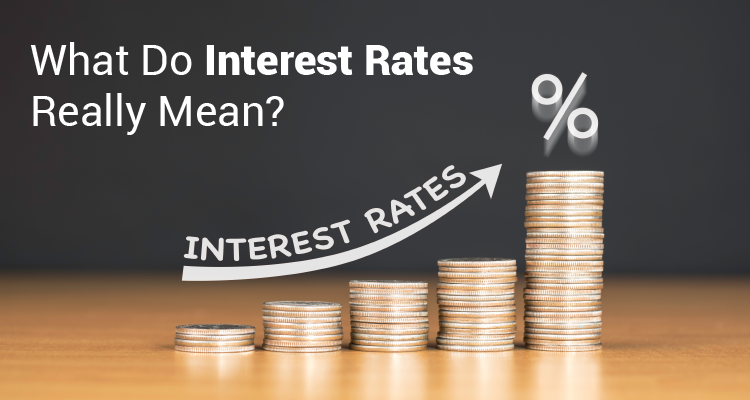
- Fluctuating interest rates
- Delays in project approvals
- Rising construction costs
- Market competition
However, improved regulations and digital processes are gradually addressing these issues. Transparency and accountability have increased buyer confidence significantly.
Tips for Homebuyers and Investors
If you are planning to enter the real estate India market, consider the following tips:
- Research Thoroughly: Understand market trends, pricing, and future growth prospects.
- Check Legal Documents: Ensure clear property titles and proper approvals.
- Evaluate Builder Reputation: Track record and timely delivery matter.
- Assess Connectivity and Infrastructure: Future infrastructure projects can boost property value.
- Plan Finances Wisely: Calculate EMI affordability and additional costs like maintenance and registration.
Careful planning can help you make a secure and profitable investment decision.
The Future of Real Estate India
The future of real estate India looks promising, driven by urban expansion, economic growth, and digital innovation. The increasing focus on sustainability, smart infrastructure, and lifestyle-driven developments will continue to shape the market.
As more people aspire to own homes and businesses expand operations, demand across residential, commercial, and industrial segments is expected to grow steadily. Investors and homebuyers who stay informed about market trends and make strategic decisions can benefit from the long-term potential of this thriving sector.
Conclusion
Real estate India stands at the intersection of opportunity and transformation. With modernization, transparency, and technology reshaping the industry, the sector is becoming more reliable and investor friendly. Whether you are a first-time homebuyer or a seasoned investor, understanding market trends and making informed decisions can help you unlock significant value in the years ahead.

.jpg)

.jpeg)











.jpg)
.jpg)

.jpg)
.jpg)
.jpg)


.jpg)

.jpg)


.jpg)

.jpg)
.jpg)

.jpg)


.jpg)



.jpeg)

.jpg)










.jpg)

.jpg)

.jpg)

.jpg)